
Why is your drinking water cloudy?
Worried about your drinking water being cloudy or milky? You are not alone. Many people are asking about this, and Impala Plumbing & Electrical is here to give you the answer! So, you can stop thinking about or avoiding what you are drinking. It’s not really appealing to have cloudy water, so we understand why you are concerned.
What is cloudy water?
Compared to the crystal-clear water we would like to drink, water that is milky or cloudy is an unappetizing drink. The scientific term for this cloudiness is called ‘turbidity,’ which is a measure of the degree to which, given the presence of suspended molecules, the water loses its transparency.
Turbidity assessment is a crucial water quality test, but how cloudy does water have to be before drinking becomes unsafe? This is hard to describe because often even water does not show a visible cloudiness at high turbidity levels and crystal-clear water does not always translate to bug-free, safe water.
The following is generally the cause of cloudy water:
- Air bubbles
- Methane gas
- TSS (Total Suspended Solids)
- Hard water
Air bubbles
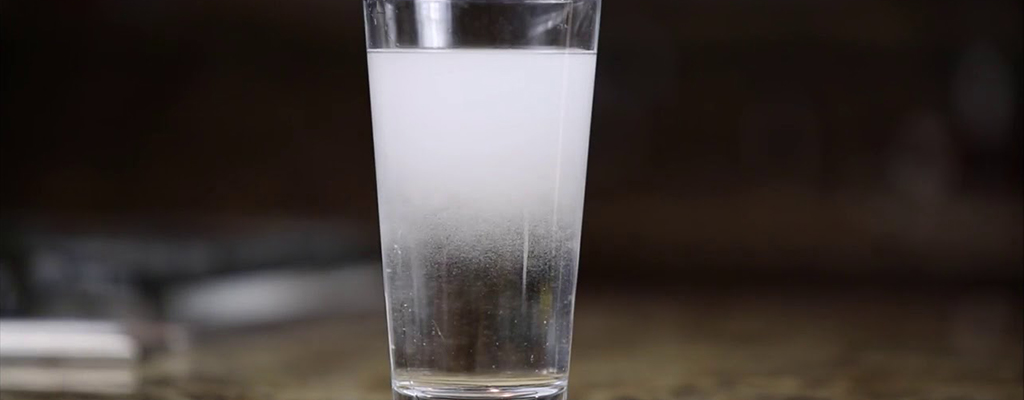
Air bubbles are the most prominent explanation for murky weather. The murky water is due to the tiny air bubbles in the water. This will happen because, during maintenance procedures, air gets stuck in the pipes. In a short period, the issue normally goes away by itself, or can require the water main to be flushed. Fill a glass of water to determine whether air is in the water system, and let it rest for a few minutes. Monitor the water. The problem is most definitely just air bubbles if the cloudiness clears from the bottom up and becomes completely clear within a few minutes. Run the front garden tap for a few minutes to relieve the problem.
Air bubbles can get into your water system because of:
- Trapped air in the plumbing
- Recent work on your plumbing
- Water pressure increased in your plumbing.
Air bubbles in drinking water is harmless. However, if the water does not clear in a couple of minutes call your local plumbers.
Hard Water
An indicator of the presence of calcium ions, as well as other ions such as magnesium, copper, and manganese, in water is hardness. Hard water may cause boilers, hot water pipes, and fittings to form scales. Total hardness (such as calcium carbonate-CaCO3) in drinking water should not surpass 200 mg/L. The results of hardness will also affect other things. These include the type of minerals present, alkalinity, dissolved oxygen, and temperature. As all other variables combine, if it is too soft, water will become corrosive.
Signs that show that you have hard water:
- Mineral build-up around fixtures and equipment with water
- White stains on glass dishes when they have been cleaned
- If your clothes are stiff and discoloured
- The cloudiness never disappears from a glass of water.
Total Suspended Solids
High total suspended solids (TSS) can also mean higher concentrations of bacteria, nutrients, chemicals, or metals in water.
Signs that show you have a high TSS level:
- After going through a normal filtration device, water becomes transparent
- Recently, interruption or development near your water supply has happened.
Small solids that remain floating in the water are TSS; they never settle to the ground. Silt, sediment, clay, salt, manganese, and algae are among some of these solids.
Methane gas
Methane is a natural gas in well water that can normally be produced. This product is a gas that is colourless, odourless, and lighter than air. Natural gas is mainly methane (70 to 90% CH4), carbon dioxide (0 to 8% CO2), and other gases.
This is a rarer and more hazardous cause of water becoming cloudy. If you suspect this, the first thing you can do is to get your water checked by a specialist. The methane level counts. In the meantime, ensure that when you turn on the faucet to operate the dishwasher or laundry machine, you have adequate ventilation.
Signs that you have methane gas in your tap water:
- White bubbles in your water
- You are using well water
- Your tap water is sputtering.
Despite the unappealing cloudiness, we have outlined the various potential triggers of cloudy water, most of which are safe.


