
Why your circuit board keeps tripping
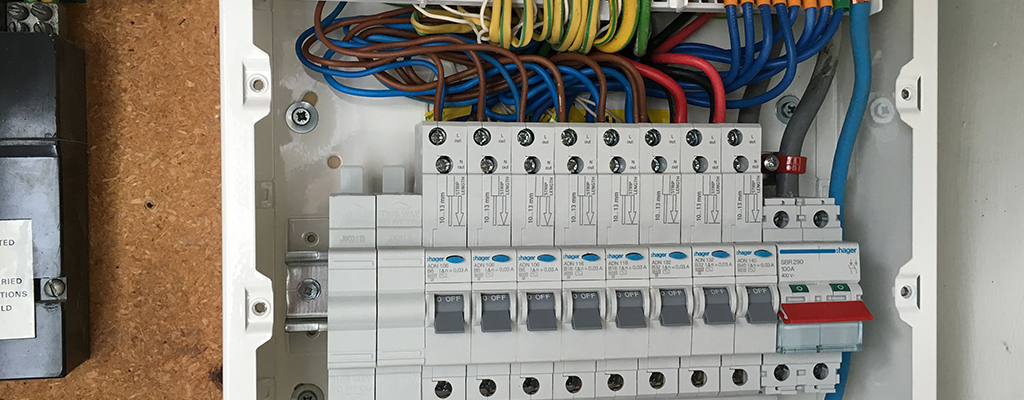
First and foremost, what exactly is a circuit breaker? The circuit breaker is the electrical core of your house. Its wired, beating heart. The first point of entry for all electrical current into your house. Your circuit breaker distributes energy safely in your house, avoiding fires and injuries. When over a certain amount of energy passes through a circuit breaker, it trips or shuts down. If a breaker trips so often, it is because it is continuously being bombarded with electrical surges.
That is a problem since breakers, like everything else, can wear out through time–especially if they are tripped frequently. Breakers will be less able to manage the energy flow they are expected to manage as they age. They could also fail, putting your home and family in jeopardy. To put it another way, you can prevent your circuit breakers from burning out if you want to protect your home safe from electrical dangers. Keep your breakers from tripping as much to prevent them from wearing out. Here are three explanations why circuit breakers trip, how to avoid them, and why they happen:
The circuits are overloaded:
The most common source of tripped breakers is overflowing circuits. When more energy passes through a circuit than anyone can accommodate, it is said to be overloaded. They tend to overflow because of this. Any appliances or equipment connected to the circuit may be damaged if it overheats. When a breaker detects too much energy flowing through it (possibly overloading it), it trips to interrupt the flow. The breaker can trip more often if too much current is flowing through a circuit. The breaker will wear down quicker, the more it trips.
When there is so much demand for power, too much current flowing into circuits. When you plug equipment or computers into sockets that cannot accommodate them, circuits appear to overload. As the necessary amount of electricity attempts to reach the circuit, it overheats, causing the breakers to trip. Avoid this issue by dispersing electrical devices so that no single circuit can accommodate too many. You may also limit how much energy you use. When you are not using this electrical equipment, unplug them.
The circuit keeps shorting:
If your breaker keeps tripping even though the circuit isn’t overloaded, it’s most likely due to short-circuiting. Since circuits produce a lot of heat when they short out, short-circuiting is a bigger danger than overloaded circuits. The heat has the potential to ignite dangerous electrical fires.
When a “hot” (active) wire in a socket interacts with a neutral, the circuit shorts. A present surge is created because of the touch, which results in real, physical heat. To avoid melting plugs or fires, breakers trip when they detect this heart. Circuits may be shorted for a variety of reasons, including defective wiring and loose connections.
There are ground fault surges are currently happening:
A short circuit is comparable to a ground fault surge. Ground fault surges occur when heated wires encounter ground wires rather than a neutral wire. The electrical surge that results from such a union, like short circuits, may cause severe complications. Even with a breaker, ground fault surges can put your entire household at risk.


